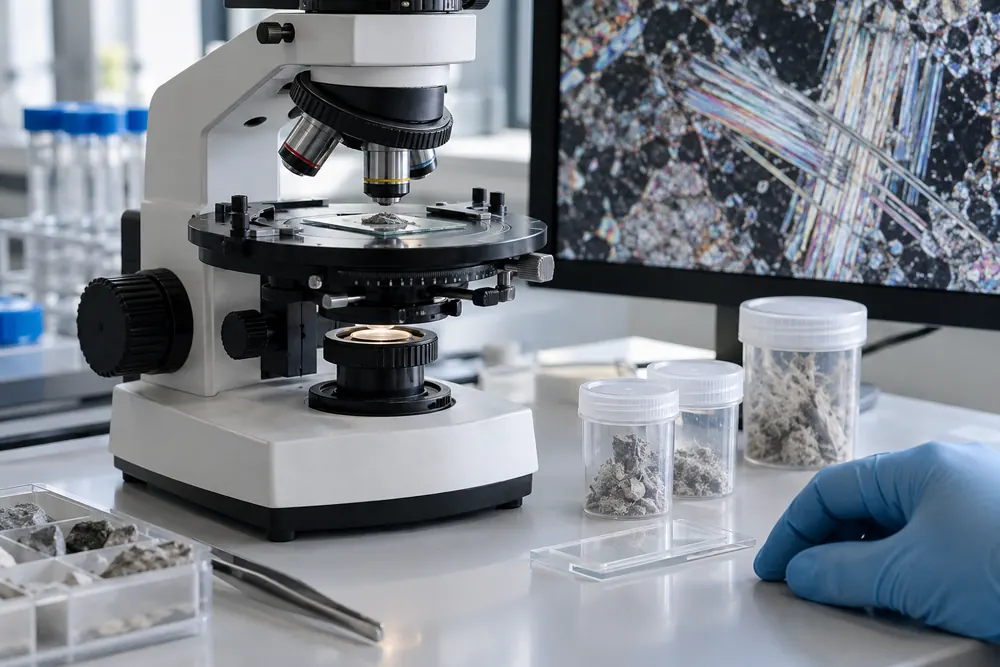
A Result For A Defined Material
Asbestos testing examines a sample taken from a suspect building material. In commercial premises, that could be a floor tile, insulation board, cement panel, textured finish or another product identified during a survey. The result relates to the sample and its recorded location, rather than certifying the whole building.
Two materials that look similar may have different compositions. A result from one room should not automatically be applied to later extensions, other floors or visually similar products elsewhere. The sampling strategy needs to reflect the site, the material variation and the question the client is trying to answer.
When Targeted Sampling Is Useful
Targeted sampling can help when a facilities manager finds an unfamiliar panel during maintenance planning or needs to clarify an item in an old register. It can also support a wider management or refurbishment survey. Explain what is proposed in the area so the professional can judge whether a single sample will answer the question.
If material is already damaged or has been disturbed, stop work and restrict access rather than taking a sample yourself. Do not sweep, drill, scrape or use an ordinary vacuum cleaner on suspect debris. Seek competent advice on the immediate controls and the investigation required.
Who Samples Your Material, And Who Analyses It?
Sampling is a controlled task because taking a piece of material can release fibres. It should be carried out by a competent person with appropriate risk controls, equipment and procedures. This page does not provide instructions for collecting your own sample from an occupied commercial building.
The Control of Asbestos Regulations 2012 set requirements for material analysis. HSE’s analytical guidance in HSG248 covers analytical practice. Confirm that the laboratory holds current UKAS accreditation for the relevant bulk identification activity, rather than relying on a logo without checking its scope.
How The Testing Process Works
First, describe the material, its location, condition and the planned work nearby. Provide existing survey references and photographs taken without touching or disturbing it. These details help decide whether sampling is suitable and what access precautions need to be agreed.
The competent sampler records the location and obtains a representative sample under controlled conditions. The material then goes to a suitable laboratory with clear identification. Sample references should link the laboratory result to the correct location in the premises.
When the certificate is available, review what it means for the proposed work. A positive result needs risk assessment and a management or removal decision. A negative result applies to the tested sample and does not clear surrounding untested material or inaccessible areas.
Reading The Result Properly
Check that the sample description matches the material you asked about. A certificate should identify the sample and state the analytical finding. If the description is unclear or the material has several layers, ask the sampler to explain the relationship between the sample and the area of concern.
Bulk material testing is different from asbestos air testing. A material result does not measure exposure in the air, while a low airborne fibre result does not prove a board or coating is asbestos-free. The investigation method must match the problem.
Cost, Access And Reporting
The number of sampling points, material type, location and access arrangements influence the cost. A single accessible suspect finish is a different task from sampling across a live production site with controlled access. Urgent laboratory processing may change the quotation and depends on confirmed availability.
Ask whether the price includes attendance, sampling, laboratory fees and interpretation of the findings. Give your required decision date and explain any work that is paused. We will ask for enough information to scope the enquiry without assuming that a simple test can replace a necessary survey.
Where a result changes existing asbestos information, update the register and communicate it to relevant contractors. Keep the certificate alongside the location record so it remains useful when staff or maintenance responsibilities change. A result only helps control risk when the people planning work can find and interpret it.
Your Questions Answered
Can A Photograph Confirm Asbestos?
A photograph cannot confirm whether a material contains asbestos. Images can help a competent person understand the location and plan an inspection, but identification normally requires appropriate sampling and laboratory analysis. Leave the suspect material undisturbed and explain its condition and any planned works when you request advice on the next step.
Does A Negative Sample Clear The Whole Room?
A negative asbestos sample does not clear the whole room or building. It reports the finding for the material submitted, and other layers or products may differ. Before work continues, check that the sample represents every material the task will disturb and that any survey restrictions have been addressed by a competent person.